
A small team focused on live studios that stay on air
factolio is a Reading-based production hub. We plan and fit out live television studios and write the procedures that crews use when a programme is live.

How a studio engineer's practice became a production hub
Helen Marsden founded factolio in 2013 after years of designing and commissioning live studios. The idea was simple: treat the studio as one system rather than a pile of separate purchases. Over thirteen years the practice has grown into a team covering every part of that system.
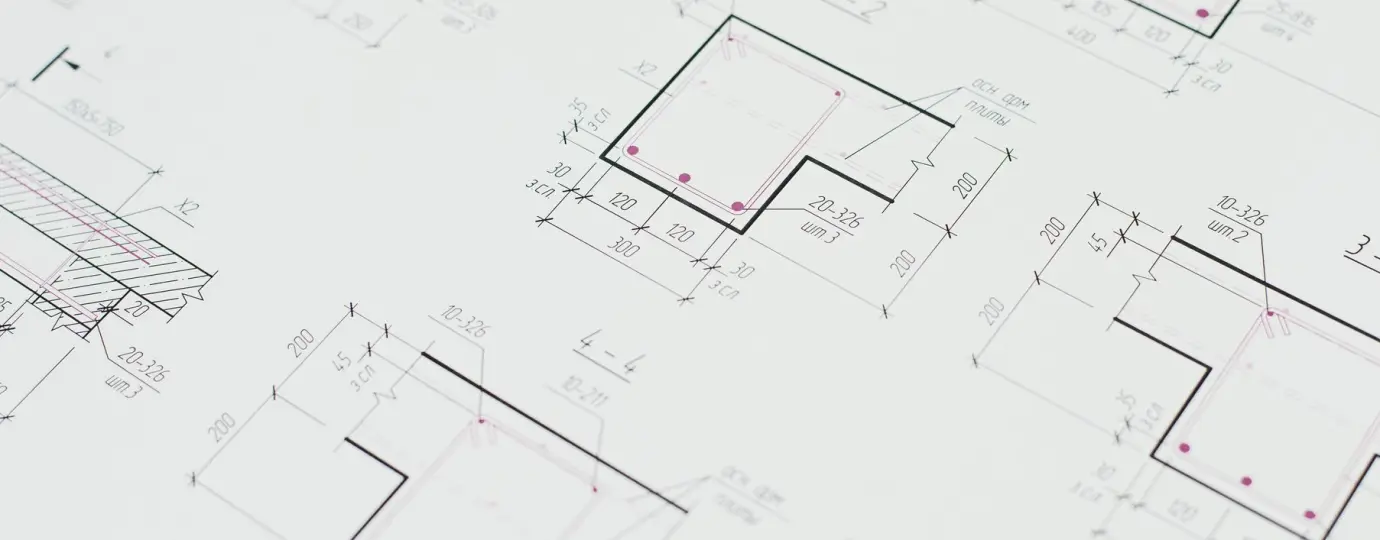
Early work centred on equipment integration: specifying vision mixers, routing, monitoring and intercom, then installing and testing them as a single chain. That experience taught us that most on-air problems begin at the joins between systems, not inside any one device. It still shapes how we plan every project.
As clients asked for more than racks and cabling, the team widened. Callum Reid joined to lead lighting and camera work, planning plots and layouts for news and interview formats. Priya Nair brought acoustic measurement and treatment, so that speech would be clear on air rather than only looking right on a monitor.
Daniel Okafor completed the picture by reviewing gallery procedures and writing run-of-show and fallback documents. Technology alone does not keep a programme on air; the people operating it need clear steps for the moments when something fails. Those documents are often the most used thing we leave behind.
Our clients are broadcasters, studio managers and production teams across the UK. Some are building a new studio, others are improving a room that has grown awkward over the years. We scale the work to suit, from a focused review to a full fit-out coordinated across all four disciplines.
We work from Kings Road Business Yard in Reading, close enough to visit sites easily and to keep our own test space nearby. The practice stays deliberately small, so the people who plan a project are the people who explain it and stand behind it at handover.
Practical habits behind every studio we plan
A studio succeeds when it is easy to operate on a bad day as well as a good one. These habits shape each project, whatever its size. They come from commissioning live studios rather than from theory.
Measure before specifying
We survey the room, power, rigging and existing signal paths first. Choices about equipment, lighting and treatment then rest on what the space actually does, which avoids costly corrections after installation.
One system, one owner
Equipment, cameras, lighting and acoustics are planned together so they do not work against each other. A single design lead keeps the pieces consistent from drawing to handover.
Documented and repeatable
Every setup is written down: signal paths, camera positions, lighting plots. Your crew can reproduce a layout on any day without relying on one person's memory.
Plans for failure
We assume something will go wrong during a live show and prepare for it. Fallback steps are agreed and written in advance, so the crew acts calmly instead of improvising.
What we stand for
-
Reliability
A studio is judged during live transmission. We test systems individually and together, and plan fallbacks, so the equipment keeps behaving the same way when the programme is on air.
-
Clarity
We explain choices in plain language and leave clear documents. Clients know what was installed, why it was chosen and how to operate it without calling us.
-
Craft
Neat cable runs, accurate labelling and careful measurement matter to us. Small details of workmanship are often what separates a studio that copes from one that struggles.
- 2013 Founded
- 5 Service areas
- 4 Team profiles
Ask for a quote
- Phone
- 0118 565 5855
- By email
- [email protected]
