
What we do for live studios
Our work covers the technical chain of a live studio, from racks and routing to the room itself. Each service can be taken alone or combined into one coordinated project.
-
Studio Equipment Integration
We specify, install and test vision mixers, routing, monitoring and intercom. The aim is a gallery where every signal path is documented and labelled. Testing happens before handover, so the crew starts with a system that behaves predictably.
-
Camera Setup and Technique
We plan camera positions, pedestal and robotic rigs and the shots a format needs. News desks, interviews and multi-camera shows each ask for different layouts. Setups are written down so crews can repeat them day after day.
-
Acoustic Optimisation
We measure the room, then treat it to bring reverb and background noise under control. Clean dialogue matters more on air than almost anything else. Advice covers materials, isolation and how the room is monitored afterwards.
-
Lighting Design and Rigging
We draw lighting plots, choose LED fixtures and handle grid rigging. The goal is presenters who look natural and colour that stays consistent between cameras. Plots are kept simple enough for your own crew to maintain.
-
Live Production Workflow Review
We study how your gallery actually runs, including procedures, signal paths and fallback plans. You receive a written review with practical fixes ranked by risk. It suits teams who want fewer surprises during live transmission.
The details that make a live studio work
These scenes show the materials and steps behind a studio fit-out. Racks, rigs, panels and screens each have a part in keeping a broadcast steady.

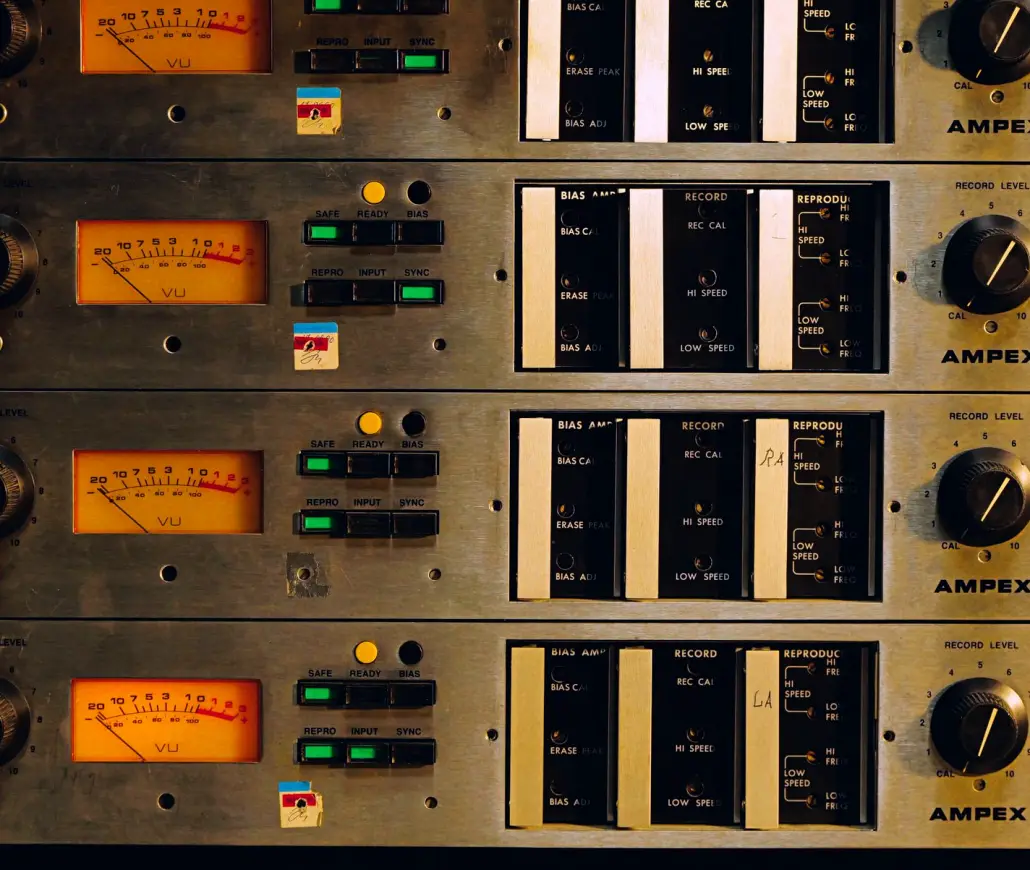
Gallery racks and routing
Equipment racks are laid out so routing, mixers and monitoring can be traced end to end. Clear labelling and tidy cable runs make faults quicker to find during a busy production day.

Camera on a studio pedestal
A pedestal camera at a news desk needs the right height, distance and cable run. We plan these positions around the presenters and the shots the programme will use.
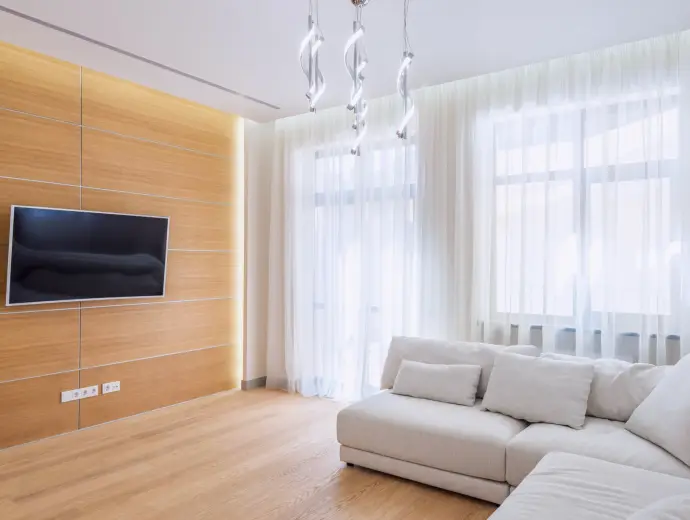
Acoustic panels on studio walls
Absorbing panels are placed after measuring the room, not before. The treatment targets the frequencies that muddy speech, so dialogue stays clear without deadening the studio.
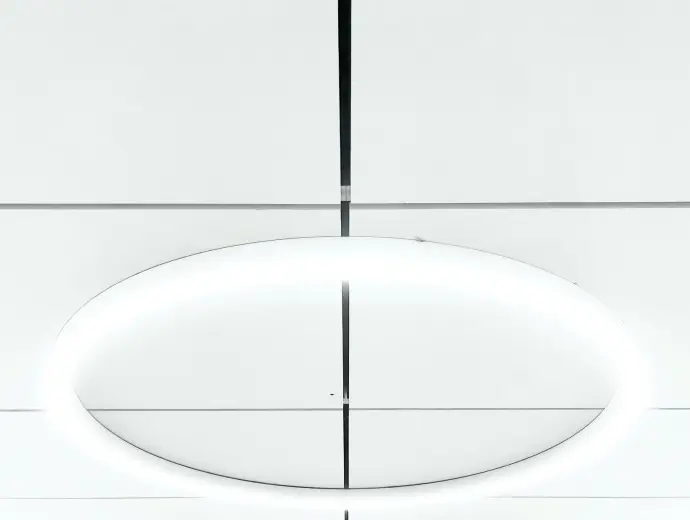
LED fixtures on the lighting grid
LED fixtures are chosen for even colour and manageable heat. Rigged on the grid to a written plot, they give presenters a flattering, repeatable look under camera.

Crew monitoring the gallery
During a live show the gallery team watches many sources at once. Good monitor layout and a clear run of show help the crew keep pace and react calmly.

Interview set ready for transmission
A finished interview set brings the work together: lit, framed and quiet enough for clear speech. Final checks on picture and sound happen before the studio goes live.
A Reading studio hub built around reliable broadcasts
factolio has planned and commissioned live television studios since Helen Marsden founded it in 2013. We work from Kings Road in Reading with a small team covering systems, lighting and cameras, acoustics and production workflow. Clients are broadcasters, studio managers and production teams who need a studio that behaves the same way every day. We prefer plain documentation and tested setups to clever one-off solutions.
AboutHow we work
From first conversation to a studio that holds up
Every project starts with understanding what your programmes need on air. We then measure, plan and document before anything is installed. The steps below show the usual order, which we adjust to the size of the job.
-
Brief and site visit
We talk through your formats, crew and constraints, then visit the studio or planned space. We look at what exists, what is failing and what the programmes will demand of the room.
What you leave with
A shared list of requirements and known problems
-
Measurement and survey
Room acoustics, power, rigging points and existing signal paths are measured or traced. This gives us facts to design against instead of assumptions about the space.
What you leave with
Survey notes covering room, rigging and signal paths
-
Design and written proposal
We draw the equipment layout, camera positions, lighting plot and any acoustic treatment. The proposal explains the choices and what each part contributes to reliability.
What you leave with
A written proposal with drawings and a quotation
-
Installation and testing
Work is carried out to the agreed design and tested system by system, then as a whole. Faults are fixed before the studio is handed back to your crew.
What you leave with
A tested installation with test results recorded
-
Handover and documentation
We walk your crew through the setups and leave clear documents: signal paths, lighting and camera plans, and fallback steps for when something goes wrong.
What you leave with
Handover documents your crew can use on air
Tell us about the studio you are planning or improving
Describe your programme format, your space and what is not working yet. We will reply with questions or a suggested route, whether that is integration, cameras, acoustics, lighting or a workflow review.
ContactAsk for a quote
- Phone
- 0118 565 5855
- By email
- [email protected]
